
Key Takeaways
- Sanitize high-touch household surfaces—such as doorknobs, light switches, and sink handles—at least once daily in high-traffic households.
- Increase sanitizing frequency to twice daily during North Texas cold and flu seasons or whenever someone in the home is feeling under the weather.
- Effective sanitizing requires cleaning with soap and water first, followed by an EPA-registered disinfectant applied for its recommended wet contact time.
- Delegating routine household chores gives you time back for what matters most while keeping your home consistently comfortable and fresh.
Between school pickups, outdoor activities, and busy work schedules, daily life moves fast for families in North Texas. With so much daily activity passing through your front door, keeping up with household hygiene can quickly feel like a full-time job. Knowing when to clean and when to sanitize key areas is one of the easiest ways to maintain a clean, comfortable living space. If you are looking for dependable help with routine household maintenance, professional house cleaning services in Arlington, Texas can handle the heavy lifting while you focus on your daily priorities.
Understanding the difference between routine surface cleaning and targeted sanitizing helps keep your cleaning routine efficient without consuming all your free time.
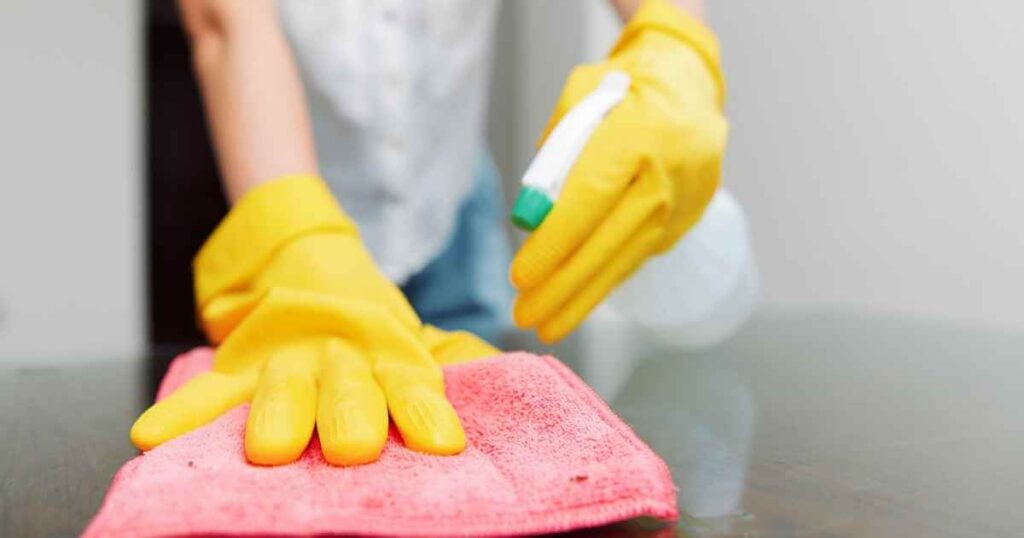
Cleaning vs. Sanitizing: Knowing the Difference
Many homeowners use the terms “cleaning,” “sanitizing,” and “disinfecting” interchangeably, but they serve distinct purposes in home maintenance:
- Cleaning: Removes visible dirt, dust, and organic debris from surfaces using soap, water, and microfibers. Cleaning lowers germ counts by physically lifting them away, but it does not necessarily kill pathogens.
- Sanitizing: Reduces the number of germs on clean surfaces to levels considered safe by public health standards.
- Disinfecting: Uses EPA-registered chemicals to directly kill bacteria and viruses on hard, non-porous surfaces.
To disinfect effectively, the Centers for Disease Control and Prevention recommends cleaning surfaces with soap and water first before applying a disinfectant. Applying a surface spray over visible dirt or dust prevents the chemical from reaching the hard surface underneath, reducing its effectiveness.
Recommended Sanitizing Frequency for Arlington Homes
How often you should sanitize high-touch spots depends on foot traffic, the time of year, and household health.
| Surface Category | Examples | Recommended Frequency |
| High-Touch Points | Doorknobs, light switches, cabinet pulls, TV remotes, smartphone screens | Once daily (Twice daily during illness or peak flu season) |
| Food Prep & Kitchen | Countertops, refrigerator handles, faucet levers, microwave keypads | After every meal prep; deep wipe-down daily |
| Bathroom Fixtures | Toilet flush handles, toilet seats, sink faucets, vanity counters | Daily to every other day |
| Shared Living Areas | Stair rails, coffee tables, computer keyboards, game controllers | 2–3 times per week |
During late summer and early autumn in Arlington, active outdoor routines and back-to-school transitions mean germ exposure naturally increases. Wiping down high-contact zones once per day keeps surface buildup under control before it spreads across shared family spaces.
Proper dwell time matters: Disinfectant sprays need to remain visibly wet on hard surfaces for 3 to 10 minutes—depending on product label instructions—to fully neutralize targeted pathogens.
Key Surfaces to Target Every Day
Focusing your daily efforts on high-traffic contact points delivers the greatest hygienic benefit with minimal wasted effort.
- Entryways and Doors: Exterior and interior doorknobs, deadbolts, and front entryway light switches.
- Kitchen Essentials: Refrigerator door handles, appliance control panels, cabinet hardware, and kitchen faucet handles.
- Bathroom Contact Points: Sink handles, towel bars, toilet flush levers, and door latches.
- Electronics & Workspaces: Shared tablet screens, remote controls, computer mice, and desktop keyboards.
When applying liquid products to electronics, spray the disinfectant onto a clean microfiber cloth rather than spraying the device directly to protect sensitive internal components.
Simple Best Practices for Safe Surface Care
To protect your home’s finishes and ensure proper chemical safety:
- Read Product Labels: Always follow manufacturer instructions for application, safety precautions, and required wet contact times.
- Ensure Good Ventilation: Keep windows open or HVAC fans running when working with stronger cleaning agents in enclosed spaces like small bathrooms.
- Avoid Chemical Mixtures: Never mix household cleaning chemicals—especially bleach with ammonia or acidic products like vinegar—as dangerous gasses can form.
- Use Color-Coded Microfiber Cloths: Use separate, color-coded cloths for kitchen and bathroom surfaces to prevent cross-contamination.
Maintaining a balanced cleaning routine ensures your living spaces remain fresh, inviting, and easy to manage throughout every season.
How Routine Maid Services Keep Your Home Fresh
Managing a detailed daily or weekly cleaning schedule on top of work, school, and family commitments can become overwhelming. Partnering with a trusted house cleaning provider allows you to enjoy a consistently spotless living space without spending your weekends scrubbing fixtures and wiping down trim.
At Love My Maids, our team delivers detailed care tailored to your household’s unique schedule, giving you back time for what matters most. Whether your home needs ongoing recurring maid services to stay effortlessly tidy, an intensive deep cleaning service to refresh every corner, or a complete move cleaning service during a transition, our friendly professionals treat your home with the utmost care. To connect with our team and request a free quote, visit our contact page or give us a call at (817) 542-0347 today.